Pest activity is never constant. It cycles with the weather, and each season brings a different set of invaders. If you know what is coming, you can prevent problems instead of reacting to them. This is a practical month-by-month pest control calendar for the continental United States, with notes on the regional differences that matter.
January & February: Rodents and Stored-Product Pests
Rodents are the headline winter pest. Mice and rats move indoors as temperatures drop, and by January they are nesting in attics, garages, and behind appliances. Check for droppings, gnaw marks, and scratching in walls at night. Set out traps and bait stations, seal gaps around pipes, and check stored food in pantries and garages.
In the South and Southwest, January is also when termites swarm after warm rain, and roaches stay active indoors all winter. If you live in those regions, keep inspections moving through the cold months.
March: Spring Awakening
March is the transition month. Ants begin foraging as soil warms, and carpenter bees in the Southeast and Mid-Atlantic start looking for wood to drill. Before warm weather fully arrives, seal entry points, fix leaky faucets, and trim vegetation back from the foundation. A perimeter treatment in early spring catches ant colonies before they establish foraging trails.
April: Termites Swarm
April is the peak month for termite swarming in much of the country. Swarms look like flying ants but have equal-length wings that they shed. If you see piles of shed wings near windows or doors, call a professional for a termite inspection immediately. Eastern subterranean termites swarm in spring, and drywood termites are most active April through July.
May & June: Mosquitoes, Fleas, and Wasps
Standing water brings mosquitoes, and May is when breeding ramps up. Remove birdbath, gutter, and bucket water weekly, and treat areas that hold moisture. Wasps start scouting nest sites in May. Walk your soffits, eaves, and shed rooflines and knock down early, small nests before they grow. Flea season starts with outdoor pets — treat pets, vacuum regularly, and wash pet bedding.
July & August: Peak Wasp and Tick Season
This is the worst stretch for wasps, yellow jackets, and ticks. Wasp colonies reach peak size in late summer. Set out traps, keep trash covered, and check the perimeter for ground nests. Ticks spread Lyme disease in the Northeast and Upper Midwest. If you hike or let pets run in tall grass, check for ticks and keep grass short. Mowing lawn perimeter treatments help in tick-heavy areas.
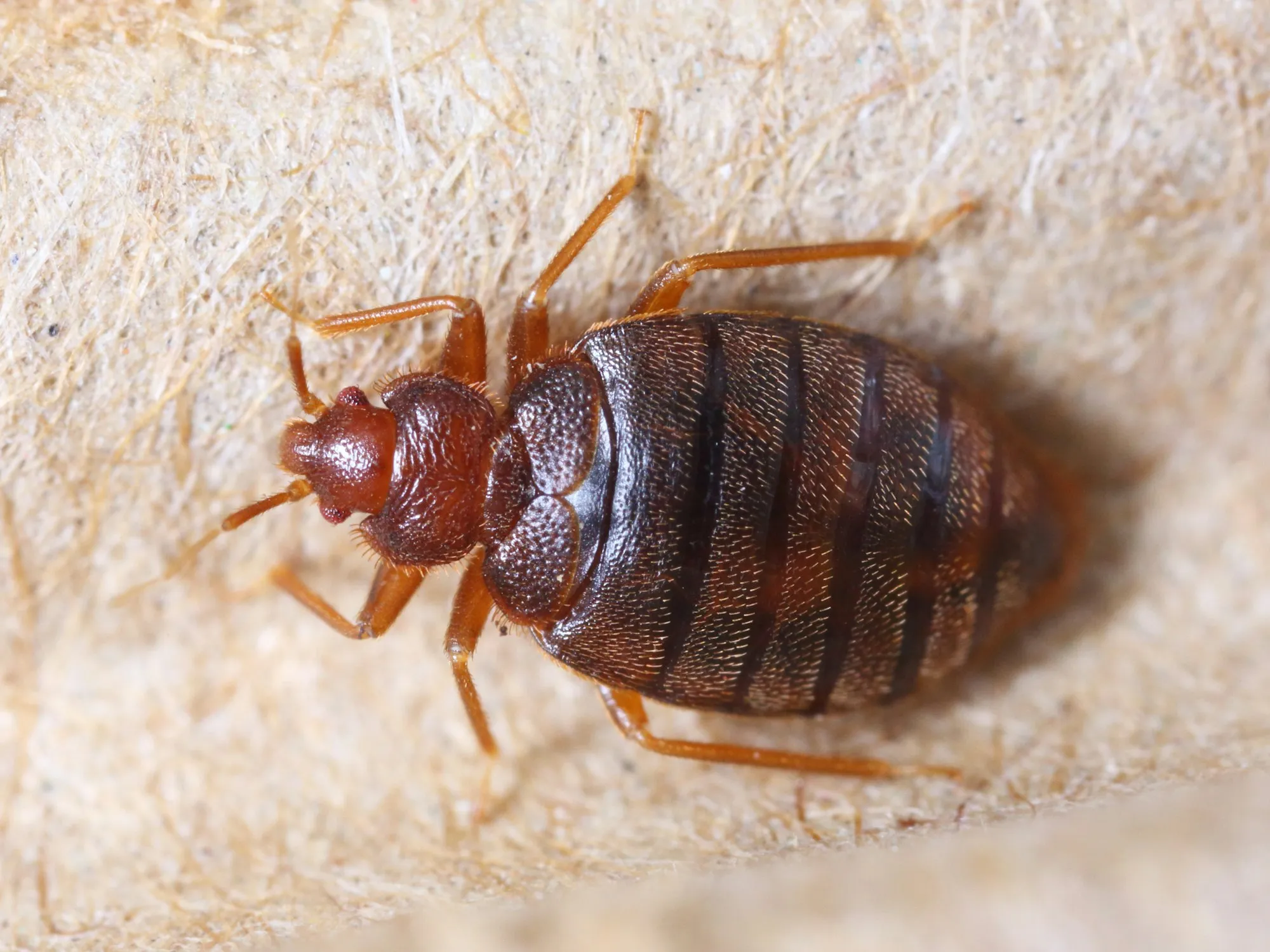
August is also a peak month for bed bugs, because summer travel moves people and luggage around. Inspect hotel beds and keep luggage off floors.
September: Rodents Head Indoors
As nights cool, rodents begin looking for warm shelter. This is the best time to seal the gaps they would otherwise find. Install door sweeps, cap chimney vents, and repair any openings around the roofline and garage. Getting the perimeter closed before October is far easier than evicting a family of mice in December.
October through December: Indoor Pests & Holiday Guests
Fall brings ants and spiders moving indoors, and rodents scrambling for winter quarters all the way through December. Pantry pests (meal moths and grain beetles) show up on holiday baking supplies — store flour, oatmeal, and spices in sealed jars. Firewood brings insects indoors, so store it away from the house and inspect it before bringing it in.
In the South, October storms often push cockroaches indoors. Make sure screens are intact and ground-level entry points are sealed before the rainy months begin.
Regional Notes
Northeast & Midwest: Rewards rodents in winter and ticks in summer. Southeast: Termites and roaches are year-round; mosquitoes build through fall hurricanes. Southwest: Scorpions, roaches, and ants respond to desert rains; seasonality is built around summer monsoon storms. West Coast: Mild winters mean ants, termites, and rodents stay active basically all year. Mountain West & North: Short warm season concentrates ants, wasps, and flies into a few intense months.
One Simple Rule
Whatever the season, pests follow water, food, and warmth — then weather. If you fix the leaks, keep food sealed, and close the gaps before each seasonal shift, you stop most problems before they start. For the pests that break through anyway, call 1-844-817-0084 and a local professional can bring the property back under control.