Spiders are the most common “pest” that homeowners call us about that is not actually a pest problem — at least not at first. Most spiders in American homes are harmless and even helpful, because they eat flies, mosquitoes, and other insects. But a few species bite, and nobody wants them in the bedroom or nursery. This guide explains which spiders matter in the United States, why they come inside, and what actually keeps them out.
Most House Spiders Are Not Dangerous
The cobweb spiders you find in room corners, the small brown house spiders, and the jumping spiders that chase light across a wall are all harmless to humans. They are beneficial predators. If you see one, the insect population in your home is probably why it is there. Fewer insects means fewer spiders.
The two spiders that get serious attention are the brown recluse and the black widow. Brown recluses are found mainly in the central and southern Midwest and parts of the Southeast. They are light brown with a violin-shaped mark behind the head and prefer undisturbed areas — closets, attics, boxes, and firewood. Black widows are glossy black with a red hourglass on the underside and build messy webs in garages, sheds, and under outdoor furniture.
Why Spiders Come Inside
Spiders come indoors for two reasons: food and comfort. As the weather cools in fall, many spiders migrate toward warmer indoor spaces. They slip under doors, through gaps around windows, or through vents and utility lines. If your home has other insects — flies, ants, moths — spiders will follow the food source.
Basements, garages, attics, and crawl spaces are prime entry zones. Spiders are also carried in on firewood, plants, and boxes fresh from storage.
Simple Steps to Keep Spiders Out
Seal the Envelope
Install weather stripping on doors, add door sweeps, caulk gaps around windows and utility penetrations, and repair torn screens. Most spiders enter at ground level, so the bottom of the house matters most.
Remove Shelter
Spiders hide in clutter. Clear cardboard boxes (replace with plastic bins), reduce woodpiles near the foundation, trim vegetation back from the siding, and move spider-friendly debris away from exterior walls.
Reduce the Insect Food Supply
Outdoor lighting attracts flying insects, which attract spiders. Switch to yellow sodium lights or position lights away from entry doors. Indoors, keep food sealed and take the trash out so you are not feeding the insects spiders eat.
Vacuum What You See
Regularly vacuuming webs and egg sacs from corners, under beds, and behind furniture removes spiders and their eggs. Dispose of the vacuum contents immediately, especially if the sacs might contain live eggs.
When Spider Control Needs a Professional
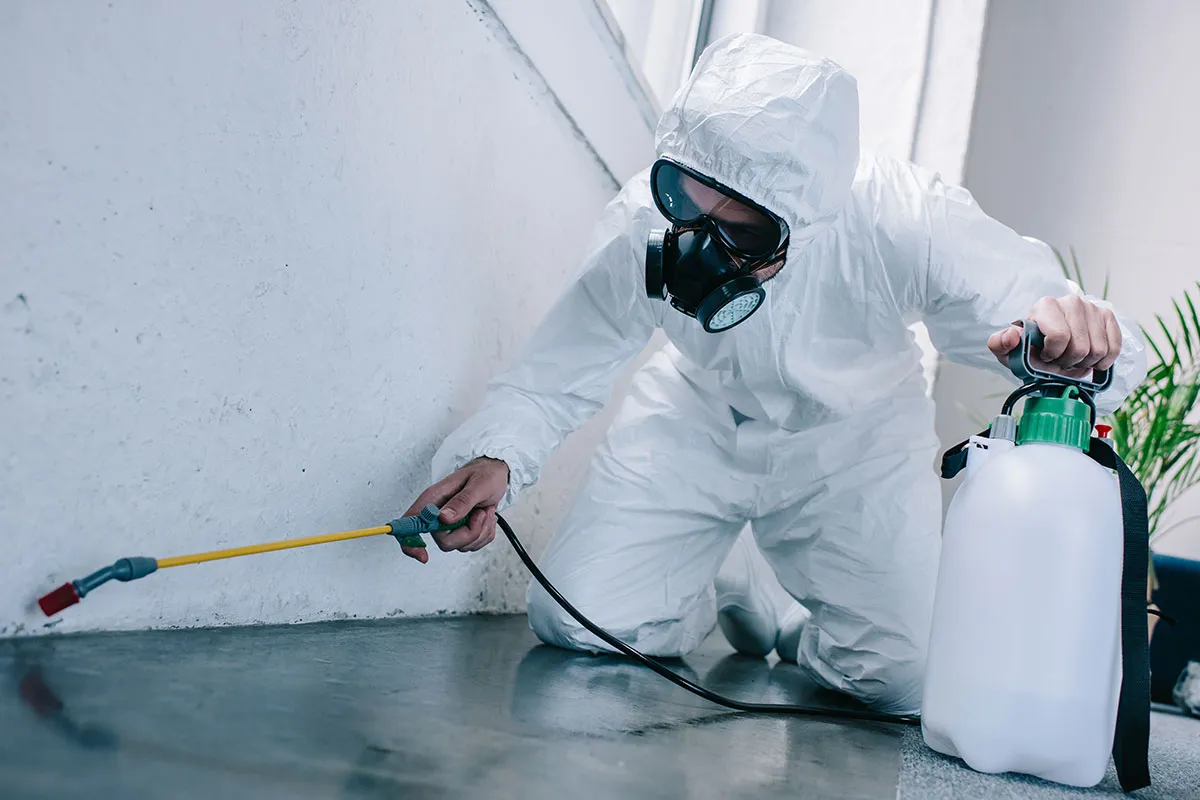
If you keep seeing black widows or brown recluses around the house, if spider activity is constant despite cleaning, or if you are moving into a home that has been vacant (where spiders and insects have multiplied), a professional treatment is worthwhile. Exterior perimeter treatments and targeted indoor treatments reduce the spider population and the insects they eat, which is what keeps them away long term.
For most people, one or two treatments a year around the foundation and entry points are enough. The technician will walk the property, identify entry points and harborages, and treat where needed rather than spraying everything.
What to Do If You Are Bitten
Most spider bites cause mild redness and itching that clear up on their own. If you believe a brown recluse or black widow bit you, or if a bite site becomes painful, blisters, or spreads, see a doctor or go to urgent care. Try to capture the spider for identification so the medical team knows what they are treating.
Spiders will always be part of the outdoor environment, but your home does not have to be their habitat. If spider sightings are getting out of hand, call 1-844-817-0084 and we will connect you with a local pest control expert who can find the root cause and treat it properly.