If you live from Virginia to Texas, termites are not an “if” problem. They are a when. The South is prime termite country because of heat, humidity, and the moist soil that subterranean termites need. This guide compares the two main types found across the South — subterranean and drywood — so you can recognize the warning signs and understand which protection fits your home.
Why the South Is Termite Country
Termites thrive where it is warm and damp. Southern states offer both, plus older housing stock with plenty of wood framing in contact with soil. Eastern subterranean termites are found throughout the South, while drywood termites are concentrated in coastal states like Florida, South Carolina, and Texas, where the warm weather lets them live entirely inside the wood they eat.
Eastern Subterranean Termites
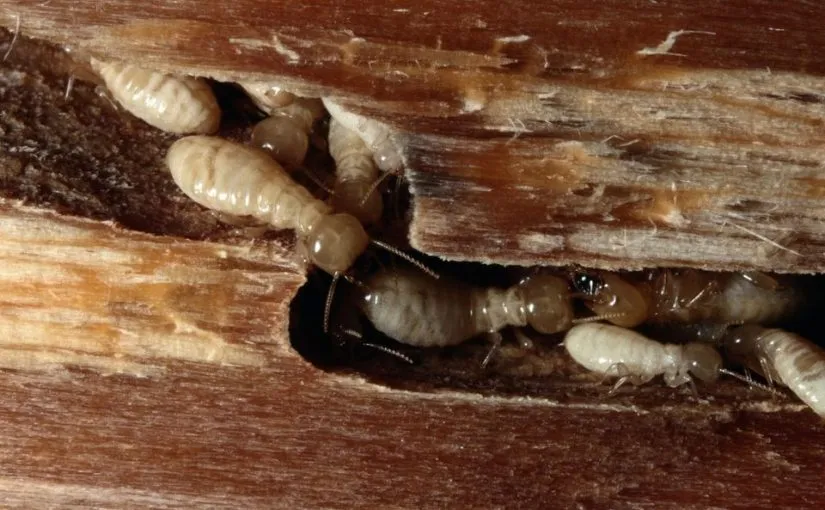
Subterranean termites live in the soil and build mud tubes to reach the wood in your home. They hide in the ground, feed on the wooden structure from the inside, and can damage a home for years before anyone notices. Their colonies are huge — millions of workers are not unusual.
Warning signs include mud tubes on foundation walls and along the base of interior walls, sagging floors, hollow-sounding wood, and doors or windows that suddenly stick. Subterranean termites swarm in spring, usually after a rainy day, and the discarded wings often pile up near doors and windowsills.
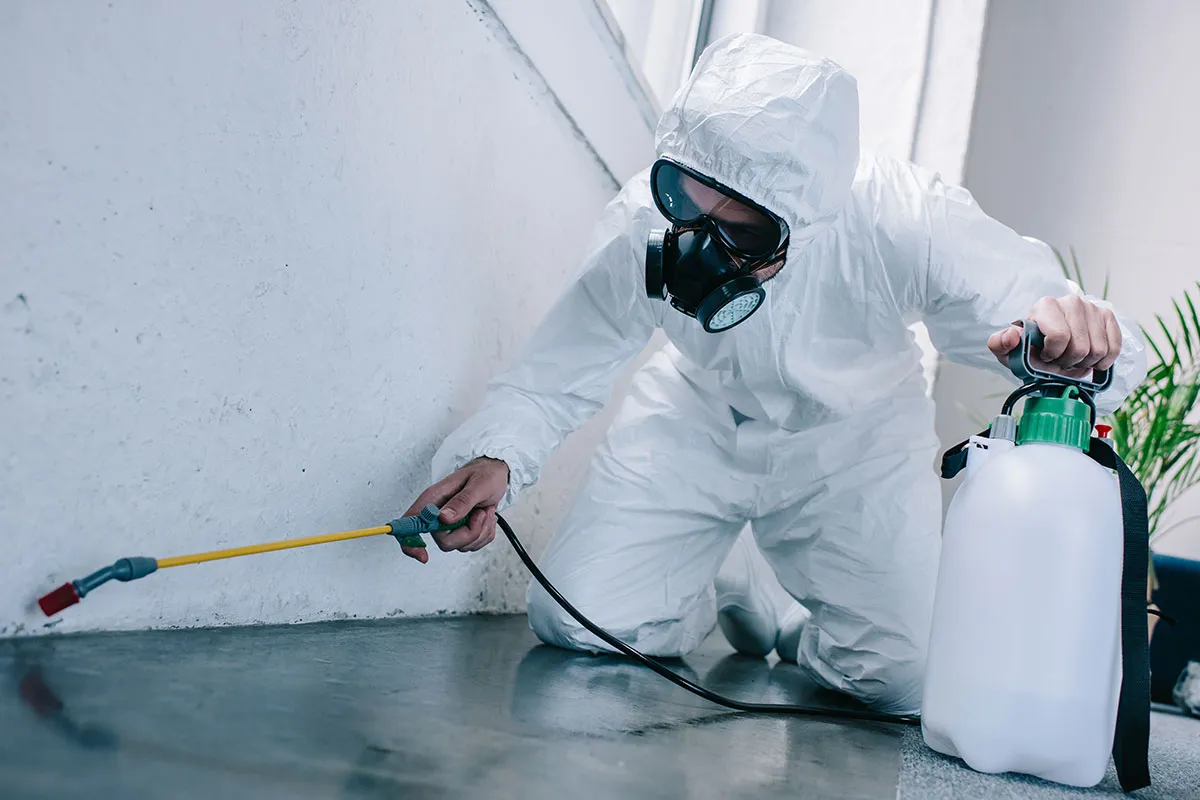
Treatment for subterranean termites usually relies on soil barriers and bait systems. A liquid termiticide creates a treated zone in the soil a colony cannot cross; bait stations placed around the perimeter intercept foragers and wipe out the colony over a few months. Both require professional application because the product placement matters more than the product itself.
Drywood Termites
Drywood termites do not need soil. They live entirely inside the wood they feed on — attic framing, fascia boards, furniture, even wooden picture frames. They leave behind distinctive pellets: tiny, six-sided droppings that collect beneath exit holes like grains of salt or sand.
Drywood colonies are much smaller than subterranean ones, but they are harder to spot because they do not build visible mud tubes. Homeowners usually notice frass, blistered wood, or a swarm in the summer, often at night around windows and lights.
Treatment for drywood termites is different. Targeted options include localized spot treatments with foams or dusts, fumigation for whole-house infestations (tenting), or heat treatments. Not every case needs a tent — it depends on how widespread the infestation is and how easy it is to reach.
When to Get an Inspection
Termite damage is not covered by standard homeowners insurance, which is why an annual inspection is cheap insurance in its own right. Get an inspection if you see mud tubes, frass, shed wings, or hollow-sounding wood, or if you have wood-to-soil contact anywhere near your foundation. Buying a home in the South? Make the termite inspection a condition of the sale, not an optional add-on.
Prevention Steps That Actually Help
- Keep woodpiles and decking away from direct soil contact.
- Fix leaks and direct water away from the foundation so soil stays dry.
- Store firewood away from the house, never against the siding.
- Seal cracks in the foundation and around pipe penetrations.
- Keep mulch away from the slab edge so it does not create a moisture highway.
These habits reduce risk, but they do not stop a hungry colony on its own. In termite country, the reliable defense is an annual inspection and a treatment plan matched to the species on your property.
Which Treatment Is Right for You?
The answer starts with a proper inspection. A termite specialist will confirm the species, find where it is active, and estimate the spread before recommending anything. Do not let anyone sell you fumigation when a targeted treatment is enough — or, worse, sell you a spot treatment when the infestation has spread through the framing.
If you are in the South and suspicious of termite activity, call 1-844-817-0084. We will connect you with a licensed termite specialist in your state who can inspect the property and give you an honest assessment of the risk and the options.